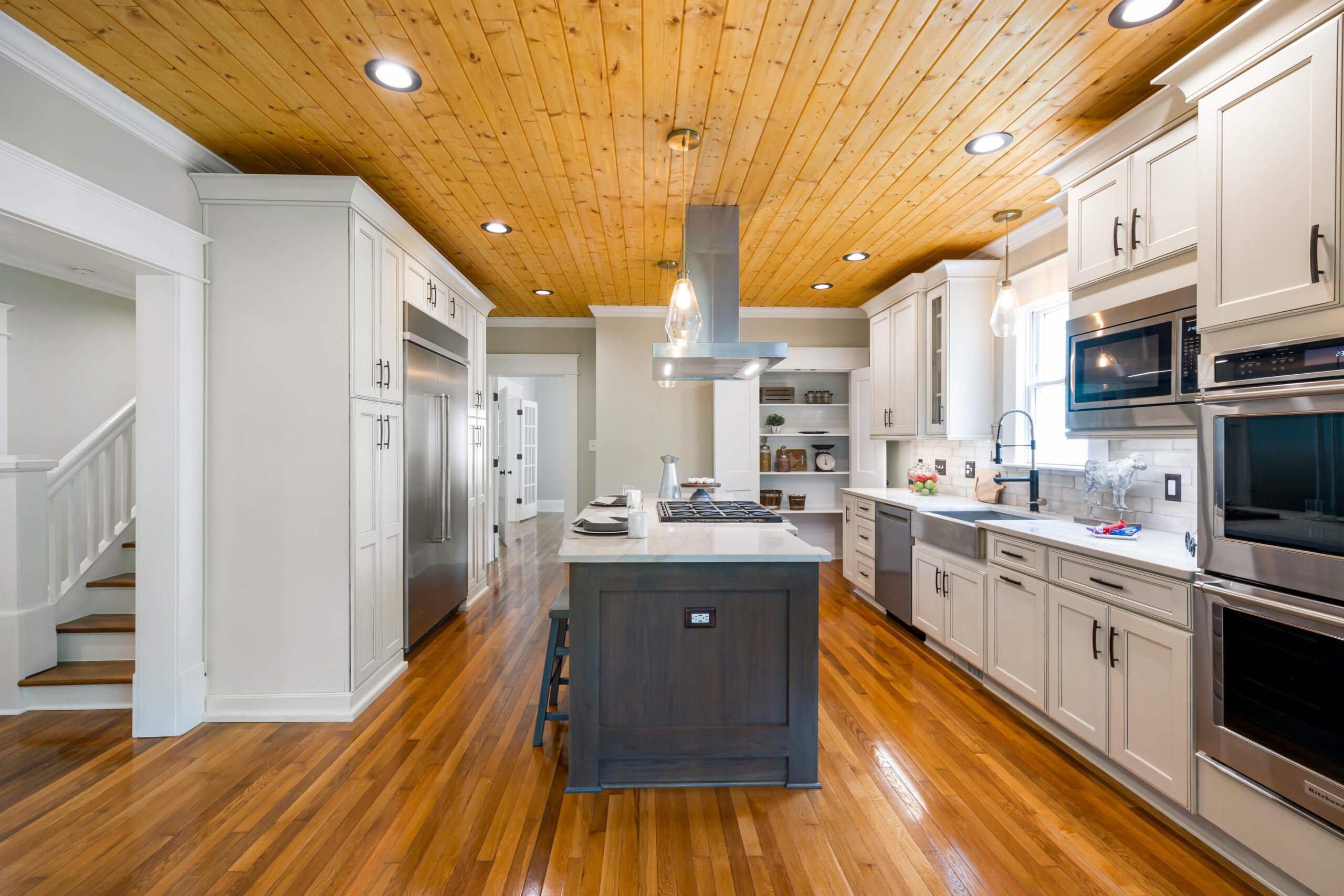
Remodeling a room or an entire home is exciting, but the budgeting process can quickly become overwhelming. With the right approach you can estimate costs accurately, build a realistic buffer, compare contractor quotes effectively, track expenses as the project progresses, and decide where to splurge or save without compromising the final result.
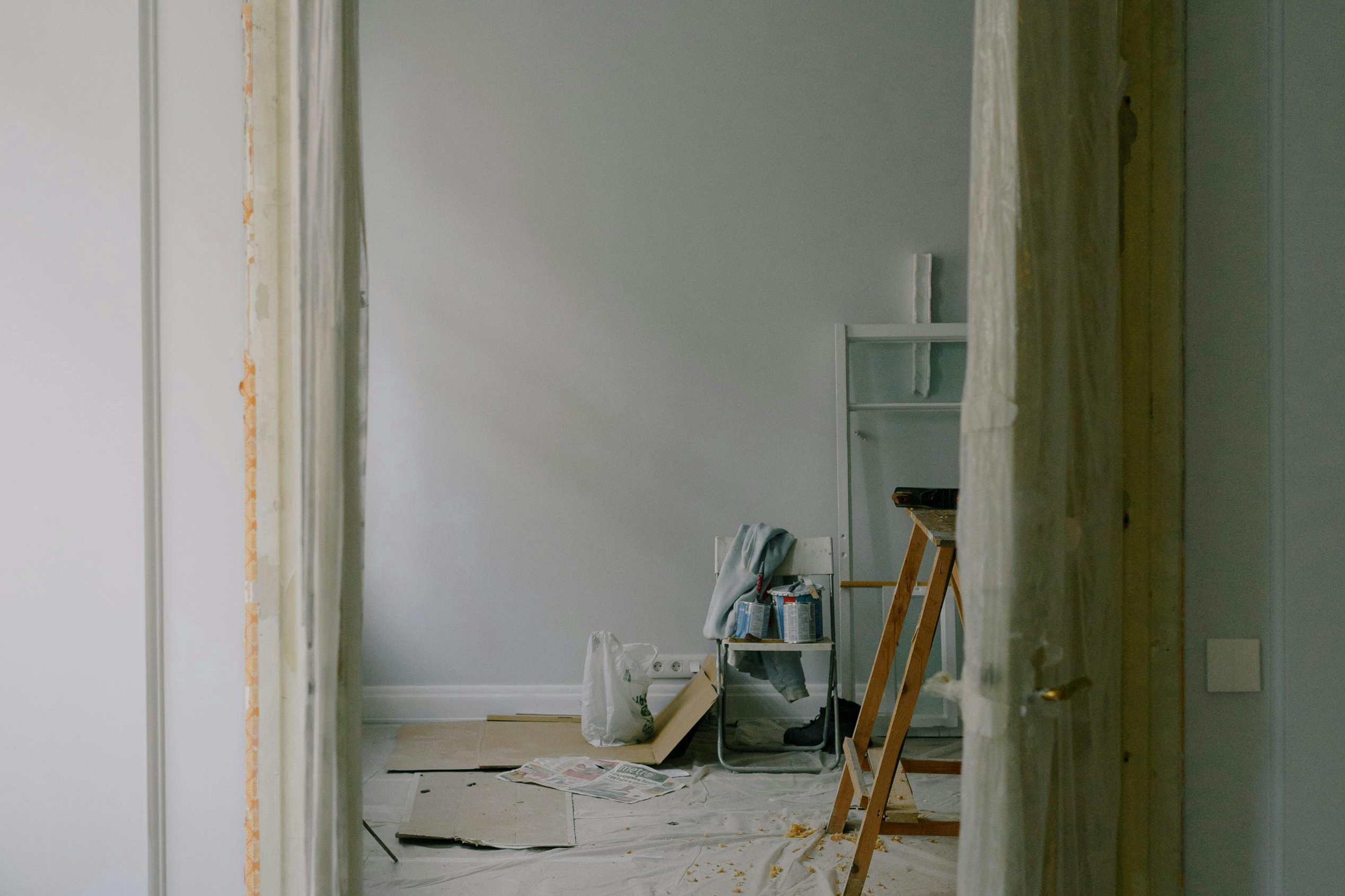
1. How to estimate costs
Begin with a clear scope: list every element of the project from demolition to finishes. Break the work into line items (materials, labor, permits, disposal). Use three sources for cost estimates: online pricing tools, local supplier quotes, and input from contractors. For example, flooring costs include materials per square foot plus installation; cabinets include unit cost plus hardware and installation. Save sample invoices and product pages as references.
2. Create a realistic budget buffer
Unexpected costs are the rule, not the exception. Set aside a contingency fund of at least 10–20% of the total estimated cost for cosmetic remodels, and 20–30% for projects involving structural changes, plumbing, or electrical work. If you’re renovating an older home, lean toward the higher end because hidden issues—rot, asbestos, outdated wiring—often appear once work starts.
3. Compare quotes effectively
When you request multiple bids, give each contractor the same written scope so comparisons are apples-to-apples. Don’t focus only on price: compare timelines, payment schedules, warranty, scope exclusions, and materials brands. Ask for references and photos of completed projects similar to yours. If one quote is significantly lower, ask why; it could signal omitted work, cheaper materials, or unrealistic timelines.
4. Track expenses during the project
Use a dedicated tracking tool from day one. Options include a simple spreadsheet, budgeting apps like Mint or YNAB, or construction-specific tools such as Buildertrend or CoConstruct if you want contractor collaboration. Record every invoice, receipt, and change order. Reconcile weekly to detect scope creep early. Keep a folder (digital or physical) with permits, contracts, and correspondence.
5. Decide where to splurge and where to save
- Splurge on items that add value and endure: quality windows, good insulation, plumbing, and major appliances. These items improve comfort and long-term resale value.
- Save on cosmetic or easily replaceable items: paint, cabinet hardware, lighting fixtures, and surface finishes can be updated later at lower cost.
- Mix and match: choose high-quality core components and upgrade visible finishes selectively. For instance, invest in a durable countertop and save by using semi-custom cabinets or open shelving.
6. Practical tools and templates
Templates speed up the process: a line-item spreadsheet with separate columns for estimated cost, actual cost, vendor, payment date, and notes keeps everything organized. Many home improvement websites offer free budgeting spreadsheets. If you prefer apps, consider:
- Google Sheets or Excel for full customization
- YNAB or Mint for personal cashflow tracking
- Buildertrend, CoConstruct, or Houzz Pro for larger remodels with multiple contractors
7. Negotiation and payment tips
Obtain at least three quotes. Negotiate by asking for itemized reductions rather than a blanket discount. Avoid paying large upfront sums; a typical schedule might be 10–20% deposit, milestone payments, and a final payment on completion after walkthrough. Hold back a small portion until punch-list items are completed.
8. Red flags and risk management
Watch for vague contracts, contractors who demand full payment upfront, no license or insurance, and poor communication. Always verify licenses, insurance, and local permit requirements. Consider a written change order process so any scope changes and their cost implications are documented.
9. Example budget percentages
As a rough guide for a mid-range kitchen remodel:
- Cabinets and hardware: 30–35%
- Countertops: 10–15%
- Appliances: 10–15%
- Plumbing and electrical updates: 10–15%
- Labor (installation): 20–30%
- Contingency: 10–20%
10. Final checklist before you start
- Finalize scope and obtain written quotes
- Set contingency and financing in place
- Choose a tracking method and organize documents
- Confirm permits and timelines
- Sign contracts with clear payment terms and warranty
Budgeting well doesn’t eliminate surprises, but it reduces stress and gives you control. With clear estimates, a realistic buffer, careful comparison of quotes, disciplined expense tracking, and thoughtful decisions about where to splurge or save, your remodel can achieve the look you want without financial regret.
If you’d like a free downloadable budget spreadsheet template or a checklist tailored to kitchens, baths, or whole-house projects, leave a comment below or reach out and I’ll share resources that match your project size.






Great advice—especially the recommendation to get itemized quotes. I learned the hard way that vague bids hide extra costs later.
Does anyone have a favorite app for tracking contractor payments and receipts? I want something simple that multiple people in the household can access.
Thanks for the contingency ranges. We went with 25% on a 1950s house remodel and it saved us when we uncovered old wiring that needed replacement.
Helpful post. One tip: always get warranty details in writing for major appliances and installations. It saved me after a faulty water heater install.